What are Flu Antiviral Drugs | CDC


Cellulitis: How Long Does It Take To Heal?
Cellulitis is an infection of the deep layers of the skin.
It develops when bacteria enter through a cut, bite, or wound — including tiny breaks in cracked, dry skin. Common skin-dwelling bacteria, Staphylococcus or Streptococcus, are the usual culprits. Although cellulitis can occur anywhere on the body, the most common location is the lower leg.
Dr. Arash Mostaghimi, a dermatologist at Brigham and Women's Hospital and associate professor of medicine at Harvard Medical School, weighs in on new research that explores important questions about how long it takes to fully heal.
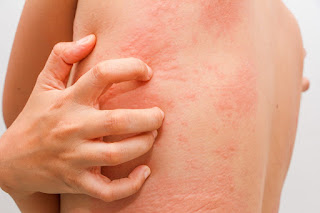
SymptomsThe body's natural immune response to this bacterial invasion triggers a painful rash that appears red on lighter skin and dark purple on darker skin. The affected area also may be swollen and feel warm.
TreatmentThe typical treatment is five to 10 days of antibiotic pills. More serious cases may require intravenous antibiotics.
After starting antibiotic treatment, people usually notice improvement within a few days. However, the area may remain swollen, warm, and painful even after 10 days.
Does that mean the antibiotic treatment was ineffective? Not necessarily, according to a recent study of people with cellulitis in the lower leg that described the natural history of the healing stages following antibiotics.
"The healing process has two parts, which is why a full recovery takes longer than you might think," says Mostaghimi.
First, the antibiotics and your white blood cells work together to kill the bacteria. But your body's immune response against the bacteria may take a while to shut down. As a result, this second stage of the healing process may include some residual symptoms, he explains.
What did the study find?
The study included 247 people with mild to moderate cellulitis of the lower leg who received antibiotics for seven to 10 days. By day 10:
Their swelling had lessened by 50%, and the size of the affected area had shrunk by about 55%.
A blood marker of inflammation, C-reactive protein, dropped during treatment and reached near-normal levels in all the participants.
Still, more than half continued to report discomfort in the affected leg, with 14% ranking their pain as 5 or greater on a scale of 1 to 10.
This pattern of discomfort isn't unusual, especially with leg infections, says Mostaghimi. As people are recovering from leg cellulitis, they're often advised to elevate the leg, which helps to ease the swelling. (Putting a warm, moist washcloth on the area may also help.)
But after they feel better and start walking more, fluid shifts back down into the legs. So it's not surprising that the area might feel a little swollen and uncomfortable again once they're back on their feet, he says.
Who is at greatest risk for cellulitis?
Remember, cellulitis typically occurs when bacteria normally present on our skin manage to breach that shield to enter the body.
Some people who develop cellulitis have no obvious injury or skin damage to explain the infection, which can occur in people who are generally healthy. However, people with certain health problems are more prone to cellulitis. This includes people who are overweight or have diabetes, a weakened immune system, poor circulation, or chronic edema (swollen limbs).
Additionally, skin conditions such as eczema and athlete's foot can create small cracks in the skin that make it easier for bacteria to penetrate deeper into the skin, Mostaghimi says. Scratching a bug bite until it bleeds is another possible entry point for bacteria.
What happens if untreated?Untreated cellulitis can be very serious. The rash may spread, be surrounded with blisters, and become increasingly painful. Nearby lymph nodes may become tender and swollen, followed by fever and chills.
It is important to seek medical care right away if you experience these symptoms.
The bottom line"It's important for people with leg cellulitis to realize that it may take a bit longer after finishing your antibiotics for all of your symptoms to completely resolve," says Mostaghimi.
You'll probably start to feel better within a few days, but always finish all the pills in your antibiotic prescription.
However, having residual symptoms once you're finished with the medication done does not mean you need another course of antibiotics or a different antibiotic, he says.
How Do You Know If You Have Strep Throat?
Lots of things can cause a sore throat. One cause, especially in children and teens, is the bacteria that creates strep throat. Streptococcus pyogenes (group A Streptococcus) is the formal name of the bacterium.
Viruses can cause a sore throat, too. They include:
Other things that might cause your sore throat include:
When you have strep, you'll usually find that your throat is raw and it hurts to swallow. Your sore throat, if it's caused by strep, will come on very fast, not gradually like many other kinds of sore throats. While the infection is more common in kids than adults, adults who spend a lot of time with kids, like parents and teachers, are at risk, too.
Strep throat symptoms in adults
Symptoms that are common in people of any age, including adults, include:
Strep throat symptoms in kids
Strep throat is most common among children between ages 5 and 15. If your child has strep throat, they might have added symptoms, such as:
Strep throat with a rash
You might also see a red, sandpaper-like rash that starts in the face and neck area and then spreads to the rest of the body. This could be a sign of scarlet fever , a reaction to a strep infection that can, in rare cases, lead to serious complications. You should call your doctor if you see this rash.
A sore throat from strep can hurt quite a bit and cause symptoms like headaches and fever.(Photo credit: E+/Getty Images)
What does step throat feel like?
Strep throat can hurt more than other kinds of sore throat. It can especially hurt to swallow. You might notice the lymph nodes in your neck are swollen and tender to the touch. If you have a rash, it might feel like sandpaper.
Some people have mild symptoms, but others feel pretty sick, with fevers, chills, poor appetite, and other signs of infection.
How long does strep throat take to show symptoms?
You are most likely to show symptoms 2 to 5 days after getting infected. You can spread the infection to others during this time, before you show any symptoms.
It's easy to confuse it with other conditions, including viral infections and allergies, so it helps to know that it usually doesn't come with:
If you have any combination of those symptoms, you probably have a virus or allergy. Also, while you might feel a cold coming on for several days, strep symptoms usually start suddenly. If you have allergy symptoms or a mild cold, you probably feel like you can go on with your day. With strep, you often feel too tired, feverish, and sick for your usual activities.
Another clue: If your child is under age 3, their illness is unlikely to be strep.
Most sore throats aren't strep.The cause is something else about 70% of the time in children and 85% to 95% of the time in adults.
If you suspect strep or you're not sure, your doctor can do a simple swab test to see if there are strep bacteria in your throat. It's important to find out, because if you leave it untreated, strep throat can lead to more serious complications in some cases.
The bacteria that cause strep are quite contagious. That means they spread easily from person to person, especially in the same household. The bacteria also can spread in crowded settings, like daycare centers, schools, jails, shelters, and military barracks.
When someone has strep, they have the bacteria in their nose and throat. When they talk, cough, or sneeze, they send droplets containing the bacteria into the air. The droplets can settle on nearby surfaces as well. Other people can get infected when they:
Breathe in the droplets
Touch something the droplets landed on, then touch their noses or eyes
Share personal items, like drinking glasses
Since strep bacteria can also cause skin infections, it's also possible to get strep throat by touching an infected person's skin sores.
You can protect yourself when someone you live with has strep by frequently washing your hands and not sharing unwashed dishes or utensils. Children shouldn't share toys when one of them has strep.
What time of year is strep throat most common?
You can get strep throat at any time of year, but it's most common in the winter and spring. One reason may be that so many children and teens are inside together in big groups during those months.
Why is strep more common in children?
Like other common infections, strep throat is likely more common in children for several reasons. These might include:
Immune systems that aren't as good at fighting off infections
Immature airways that are more susceptible to infection
Spending time in crowded settings like daycares and schools--and having siblings who do, too
Putting their hands in their mouths more often
Why do I keep getting strep throat?
If you or your child get strep repeatedly, you're not alone. Some people are prone to repeat infections. One reason may be that they are frequently around someone who is a strep carrier -- someone who has the bacteria but doesn't necessarily have symptoms. Or they could be a strep carrier themselves, with symptoms from time to time. Sometimes it's hard to tell if the symptoms are really from the bacteria or something else if you are a carrier.
Some strep infections return if you don't finish the antibiotics you get to treat them.
Other possible factors could be genetic and immune system differences that make some people more susceptible to strep infections.
If you think you or your child has strep throat, you should always see a doctor. Unlike colds and flus, strep throat can be treated with antibiotics. Left untreated, the bacteria that cause strep throat can spread to other parts of your body, causing complications such as ear and sinus infections and pockets of pus around your tonsils. One of the most serious potential complications is rheumatic fever, an immune system reaction that can damage your heart valves.
Antibiotics can prevent such complications. But you need a test to confirm the diagnosis and get a prescription.
After swabbing your throat, the doctor can do quick test in the office. If the quick test is positive, you have strep. If it's negative, you might or might not have strep. A lab test that comes back in a couple of days can give you a definite answer in that case.
If you have strep, you'll need to take all the antibiotics you are prescribed to clear up the infection and prevent complications. Stay home from work or school until you no longer have a fever and have taken antibiotics for at least 12-24 hours.
What if I develop a fever after three days of antibiotics?
If you are not getting better or develop a fever or symptoms after a couple of days on antibiotics, call the doctor.
If you or your child have trouble breathing, are extremely weak, or have purple or blood-colored spots with a fever, call 911. You should also seek immediate care if someone has trouble swallowing, has a very high fever, or signs of dehydration, like dark urine and a very dry mouth.
A sudden, painful, sore throat could be strep, especially if you don't have signs of a cold, flu, or allergy, like coughing or a runny nose. Strep is especially common in kids between ages 5 and 15. If you suspect strep, see a doctor. Antibiotic treatment can help you feel better, prevent complications, and get you back to work or school quickly.
Would strep throat go away on its own?
Untreated strep might go away after a week or so. But in some cases it could linger, causing complications and infecting other people.
How can I get rid of strep throat fast?
The fastest way to get rid of strep and feel better is to take antibiotics.
Can I get rid of step throat overnight?
Antibiotics don't work quite that fast. But you should feel better in a day or two.
How long is strep contagious?
People taking antibiotics are less contagious after a day or two. Someone with untreated strep can infect others for 2 or 3 weeks.
Can you prevent strep throat when you feel it coming?
You can't prevent strep once you have symptoms. But you can do things to feel better. That includes gargling with salt water, taking pain relievers, resting, drinking plenty of fluids, and eating soft foods. To prevent the infection from spreading to others, you should wash your hands frequently, cover your mouth if you cough or sneeze, and avoid sharing your personal items.
What's Going Around: Strep, Pink Eye, Tick Bites
This week, the providers at UPMC Children's Community Pediatrics in York and Spring Grove continue to see pink eye, viral illness with high fevers and strep throat.
This week, pediatricians at Penn State Health Children's Hospital are seeing colds, strep throat, allergies, some stomach bugs and some respiratory infections.
WellSpan Pediatric Medicine Physicians across the Midstate are seeing asthma attacks, seasonal allergies and pink eye.
Penn Medicine Lancaster General Health Physicians Roseville Pediatrics reports a lot of enterovirus, strep throat and seasonal allergies. There was also an increase in tick bites.
Dr. Joan Thode offered the following advice on ticks:
"Ticks are plentiful in the area and live primarily in grass. For a tick to transmit Lyme disease, it needs to be attached to a human host for 36 to 48 hours. If it gets found and removed prior to this time, it will not have transmitted Lyme. That is why it is so important to do tick checks and remove ticks quickly.
The best way to remove a tick is to use sharp tweezers and grip the tick at the base of the head. Lift straight up with a decent amount of force to remove it from the skin. This can be done at home, though if you are unable to remove the tick or are concerned, you can have the tick removed at your child's health provider.
If an engorged tick is found on your child, contact your provider's office, as there is now a new protocol with prophylaxis in any age with a dose of doxycycline. Evaluation in the office is important, as an exam and more thorough history will help your child's pediatrician decide the best prophylaxis vs. Treatment protocol to follow."
For the latest news, weather, sports, and streaming video, head to ABC27.
View comments
Comments
Post a Comment